Costs and Benefits of Solar Panels
Taking a closer look at the pros and cons of solar energy
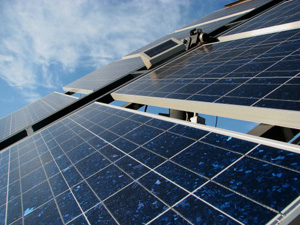
Solar energy has received more credence over the last few years, as the technology has become an option for families and municipalities. Most people now know what solar panels are, and they are slowly becoming a choice as a renewable, inexpensive energy source.
Although there are pros and cons to solar panels, the benefits may soon outweigh the disadvantages, making solar energy a better choice for families and the environment.
Pros
- Future savings. While the initial investment can be costly, after solar panels have been installed, monthly utility bills should be much lower than traditional heating and cooling methods. If it's been a relatively sunny month, the bill may be close to nothing.
- Green energy. Because solar panels do not emit pollution, they are much more earth-friendly. There may be some pollution involved with the manufacturing and distribution of the solar panels, but once they are installed, there is little to no pollution.
- Tax credits. The government will occasionally offer tax credits for green energy programs. Buyers should check with their accountant to see if their purchase of solar panels qualifies for a tax credit.
- Abundant and renewable. Solar energy is abundant in supply, and there is no way the energy from the sun can be used completely. Unlike other energy sources (e.g., coal), sunlight is generated each day and cannot be depleted.
- Noise level. Solar energy is a very quiet form of energy. Where other green energy products like wind turbines may be noisy and distracting to the community, solar energy produces no sound.
Cons
- Cost. While prices have come down in recent years, solar panels still cost far more than the average middle class family can comfortably afford. The initial cost of the panels and installation often runs in the thousands of dollars, and while a family's monthly utility expenses will be reduced, it might be a long time before they see a return on the initial investment.
- Esthetics. There's just no way around it. Solar panels are ugly. The number of solar panels required to heat and cool an average size home are unsightly and distracting, and solar panels installed on city streets have resulted in complaints from community residents. The look and design of solar panels will need to be more esthetically pleasing if they are to become a part of everyday life.
- Inefficiency. Until technology catches up, solar panels cannot function if there is no sun. In places where sunny days are scarce, and during night hours, an additional source other than solar is required.
As technology improves, solar technology will improve as well, making solar panels a more viable option for the average family. If traditional utility costs continue to rise, the cost of installing solar panels can be justified. As more solar panels are produced and production costs decrease, the cost for consumers will automatically decrease.
